
President Donald Trump's renewed emphasis on fossil fuel diplomacy marks a significant shift in global energy discourse. By prioritising coal, oil, and natural gas development and pulling back from international clean energy cooperation, his stance sends ripples across emerging markets — especially in Africa, where many countries are banking on global climate support to transition to sustainable energy systems.
This pivot could potentially stall multilateral climate commitments, slow down financial inflows into renewables, and embolden fossil-fuel-heavy policies among African leaders.
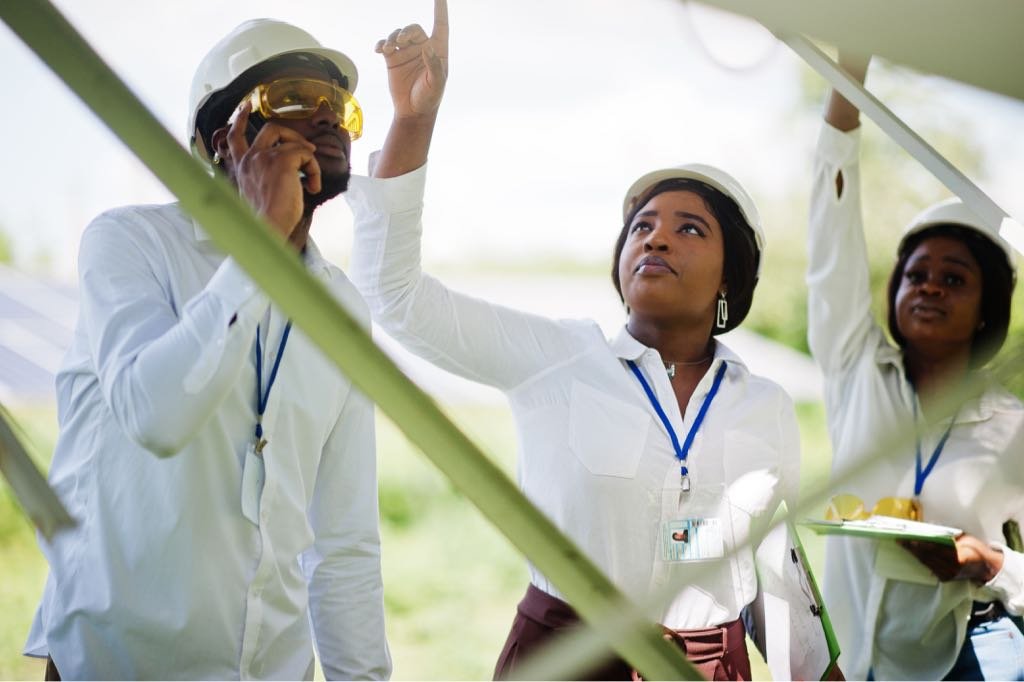
Africa, however, stands at a unique crossroads. While some may view Trump's stance as a setback, it's also an opportunity for the continent to reassess its energy future independently. With vast solar, wind, and hydro resources, African countries possess the natural capacity to lead their own transition, reduce energy poverty, and leapfrog outdated, carbon-heavy infrastructure.
The real challenge now lies in securing financing and political will. If Western support dwindles, Africa must look inward — to sovereign wealth funds, public-private partnerships, and regional development banks — to fund clean energy projects. Civil society, entrepreneurs, and youth climate activists have a vital role in holding governments accountable and pushing for sustainable, people-centred energy investments.
While Trump's policy may redefine some global alliances, it doesn't have to derail Africa's clean energy vision. In fact, it can be a wake-up call to prioritise homegrown solutions, strengthen regional cooperation, and double down on the continent's immense renewable potential.